Poplar Estate rubbish collection guide for flats and landlords
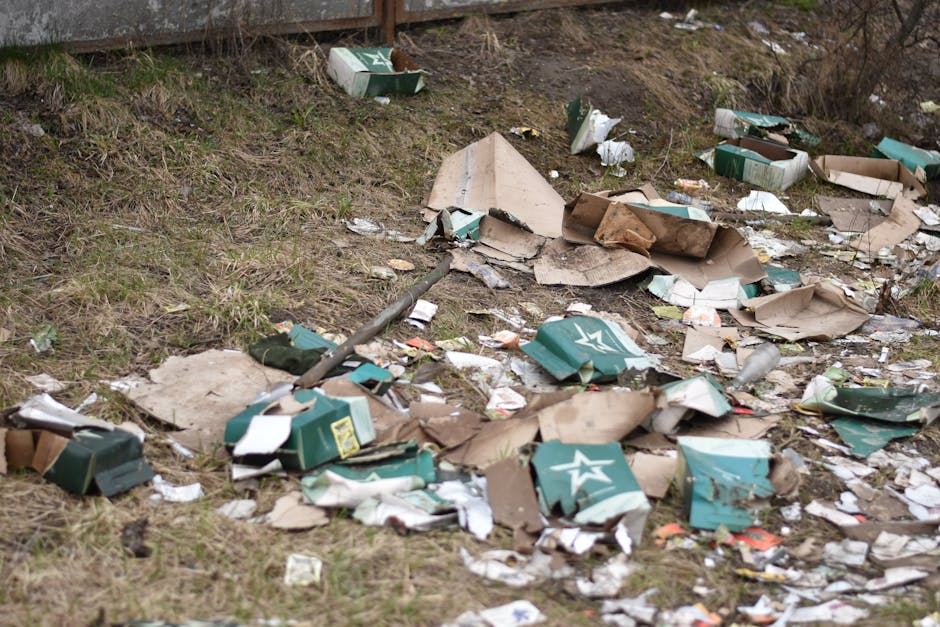
If you manage flats in Poplar Estate, you already know rubbish can become a small problem that grows legs. One missed collection, one broken lift, one tenant move-out with too much left in the hallway, and suddenly the whole block feels untidy. This Poplar Estate rubbish collection guide for flats and landlords is here to make the job simpler, calmer, and a lot more predictable.
Whether you are a landlord, letting agent, resident manager, or tenant trying to clear a flat without upsetting neighbours, the basics are the same: plan the waste, know what cannot be left out, and choose a collection method that fits the building. That sounds obvious, but in real life it is where most headaches start. Let's sort it properly.
Why Poplar Estate rubbish collection guide for flats and landlords Matters
In a shared estate, rubbish is never just rubbish. It affects first impressions, hygiene, pest risk, fire safety, and neighbour relations. A neat bin area tells people the building is looked after. Overflowing sacks, on the other hand, create the opposite feeling in about ten seconds flat.
For landlords, poor rubbish handling can also affect void periods and changeover costs. If a flat is left with mixed waste, old furniture, packaging, or unwanted appliances, that delay adds pressure to every other part of the turnaround. You may be trying to get decorators in, cleaners booked, or a new tenant moved in. The waste has to go first, or at least be under control.
For flats, the challenge is often access. Narrow stairwells, shared entrances, parking restrictions, and limited storage make collection trickier than in a house. Add in tenant turnover, skipped bin days, and the occasional "I thought someone else would deal with it" moment, and the system can fall apart quickly. Truth be told, that happens more often than people admit.
Good rubbish collection planning helps you avoid:
- mess in communal areas
- complaints from neighbours or residents
- missed collection windows
- unpleasant odours and pests
- unsafe piling of waste near exits or bin stores
- last-minute costs when a flat needs clearing fast
If the waste is bulkier than a standard bin load, it can also make sense to look at broader clearance support such as flat clearance or house clearance, especially during tenancy changes or refurbishments.
How Poplar Estate rubbish collection guide for flats and landlords Works
At a practical level, rubbish collection for flats usually happens in one of three ways: routine household bin collection, scheduled estate waste management, or ad hoc private removal for bulky or awkward items. The right option depends on the waste type, volume, access, and urgency.
For standard daily waste, residents should use the building's bins and follow local collection routines. Landlords and managing agents, however, need to think one step further. Who is responsible for the bin store? Is there enough capacity for the number of flats? Are tenants told how to separate waste? And if a flat is being emptied, who arranges the larger clear-out?
That last question matters a lot. A move-out can leave behind far more than a few bin bags: bed frames, wardrobes, broken chairs, old kitchenware, and the usual mystery box that nobody wants to open. If the items do not fit the estate bins, they should be removed using an appropriate clearance service rather than left in shared spaces.
Here is the usual flow:
- Identify what needs removing: general waste, bulky items, recycling, appliances, or sensitive materials.
- Check access: lift size, stair routes, parking, loading restrictions, and whether items can be brought out safely.
- Separate anything special: electrical items, confidential papers, or potentially hazardous waste.
- Choose the collection method: regular bins, estate management, or private rubbish removal.
- Book a sensible time window so the job does not clash with peak resident traffic or building works.
- Make sure the waste leaves the site cleanly, with no spillages or abandoned bits left behind.
If you are dealing with mixed waste from a flat refresh, the service may overlap with waste removal, furniture disposal, or fridge and appliance removal. That is often more efficient than trying to force everything into one bin run and hoping for the best. Which, let's face it, is not a plan.
Key Benefits and Practical Advantages
When rubbish collection is managed well, the benefits are immediate and very visible. You notice it the moment you walk into the block. No smell. No loose bags. No fly-tipping around the bins. Just a place that feels under control.
For landlords and flat owners, the practical advantages are even clearer:
- Faster turnarounds: cleared flats can be cleaned, repaired, and re-let more quickly.
- Fewer complaints: residents are less likely to report mess in communal areas.
- Better presentation: tidy bin areas support the building's overall image.
- Less manual hassle: you spend less time moving waste around twice.
- Improved safety: clear walkways reduce trip hazards and blockages.
- Better recycling outcomes: waste can be sorted more intelligently rather than dumped all together.
There is also a quieter benefit that many landlords appreciate only after the fact: less stress. If the waste plan is sorted early, you are not making decisions at 4:45 p.m. on a Friday with a decorator waiting at the door and three bin bags leaking in the lobby. Been there, regretted that.
For items that need careful handling, such as a damaged wardrobe or an old sofa from a third-floor flat, a service like mattress and sofa disposal can be more suitable than leaving residents to guess what to do with oversized items.
Who This Is For and When It Makes Sense
This guide is mainly for landlords, letting agents, block managers, residents' associations, and tenants in flats who need a simple way to deal with rubbish without turning the building into a storage room for unwanted stuff.
It makes sense in a few common situations:
- End of tenancy: the previous occupier has left a mixture of rubbish and unwanted belongings.
- Flat refurbishments: packaging, broken fixtures, and stripped-out materials need clearing.
- Bulk item disposal: a sofa, mattress, appliance, or wardrobe will not fit normal collections.
- Landlord changeovers: you need the flat back to a lettable standard quickly.
- Communal bin pressure: the estate bins are constantly full and the building needs a reset.
- House moves: moving day tends to produce more waste than anyone expects.
It also helps where waste accumulates after storage clear-outs. For example, a landlord emptying a flat may find items in the loft, garage, or shed that need separate removal. In those cases, the same practical thinking applies, and services such as loft clearance or garage clearance can be relevant.
One small but useful rule: if a job takes more than one bin lift, needs two people to carry, or creates a risk of blocking a shared corridor, treat it as a proper collection job rather than a casual tidy-up. That one decision prevents a lot of awkwardness.
Step-by-Step Guidance
If you want a cleaner, simpler rubbish collection process for a block of flats, use a routine. A routine sounds boring, but boring is good here. Boring means repeatable.
- Walk the site first. Look at the bin store, access route, lift, stairwell, and where waste is currently building up. Take note of anything awkward, like a narrow corner or heavy door closer.
- Sort waste by type. Separate bagged general waste, recyclables, bulky items, electricals, and anything that needs special handling. Even a rough sort makes the removal smoother.
- Decide what stays and what goes. Some buildings have regular collection points for mixed household waste. Others need a private removal for overflow or abandoned items. Do not blur the two.
- Check the timing. Choose a collection time that avoids peak resident movement. Early morning often works better than mid-afternoon, but the site will tell you what is sensible.
- Prepare access. Make sure keys, parking, and entry instructions are ready. If a team arrives and cannot get close to the building, the whole job slows down for no good reason.
- Protect communal areas. Use care on stairwells, lifts, and entrances. Wipe any marks, collect loose bits, and do not leave bag ties, cardboard, or foam behind.
- Confirm disposal routes. Ask how the waste will be handled, especially if there are appliances, mattresses, or potentially hazardous items mixed in.
- Record the outcome. For landlords and agents, a simple note or photo record can help show the flat was cleared properly. That can be useful later, and not just for your peace of mind.
If you are unsure how much can fit in a vehicle or what is suitable for a container-based approach, it may help to review what can go in a skip. It is not exactly the same as a flat collection, but the sorting logic is similar and it stops avoidable mistakes.
Expert Tips for Better Results
After enough flat clearances and communal waste jobs, a few patterns become obvious. The cleanest jobs are not usually the biggest. They are the best prepared.
- Use one named point of contact. If three different people are giving instructions, things get messy very quickly. One contact keeps the job tidy.
- Label dumped items early. In tenant changeovers, a small label or note can prevent a perfectly good item from being removed by mistake.
- Clear the route before the team arrives. Shoes, bikes, prams, and recycling bags all have a habit of ending up exactly where you need to pass.
- Keep a spare collection plan. If a lift fails or parking is blocked, know your fallback route before the job starts.
- Think about smell and timing. Waste that has been sitting in warm weather is best removed sooner rather than later. Nobody enjoys that late-summer bin-store smell.
- Match the service to the job size. A single armchair is not the same as a full flat clearance. Nor is a loose bag of rubbish the same as a post-renovation pile of packaging and offcuts.
Another practical point: for properties where rubbish and resident welfare are closely tied, it can help to combine collection planning with broader building maintenance. Waste control, cleaning, and repair work all feed into each other. One weak link and the whole place looks tired.
And to be fair, tenants usually do respond better when the system is simple. Clear bin instructions beat a complicated notice every time.
Common Mistakes to Avoid
Most waste problems in flats come from a few predictable missteps. The good news is they are easy to avoid once you know what to look for.
- Leaving bulky waste by the bins. It may seem temporary, but in shared spaces temporary often becomes permanent.
- Mixing everything together. Recyclables, electricals, broken furniture, and household waste all need different handling in practice.
- Assuming someone else will arrange collection. That is how items sit in stairwells for days.
- Ignoring access constraints. A flat on an upper floor with no lift is not the same as a ground-floor move-out.
- Using the wrong disposal route for appliances. White goods need proper handling, especially fridges and anything with gas or electrical components.
- Forgetting about hazardous items. Some materials simply should not be treated as ordinary waste.
- Booking too late. Landlords often wait until the last minute, then end up paying for urgency rather than planning.
A small story from the real world: a landlord once assumed a flat "only had a few leftovers." It turned out to have two mattresses, a dismantled desk, a broken fridge shelf, several black bags, and a very determined chair. The lift was busy, the hallway was narrow, and by the end everyone was wishing they had checked properly in the first place. Simple lesson, really.
Tools, Resources and Recommendations
You do not need a warehouse of equipment to manage flat rubbish well, but a few basic tools make life easier:
- Heavy-duty bags and ties: useful for preventing spills and keeping sorting tidy.
- Gloves and sensible footwear: especially if items are being carried through shared corridors or basement stores.
- Labels or coloured stickers: handy for marking what stays, what goes, and what needs special disposal.
- Simple site notes: key codes, parking instructions, lift access details, and contact names reduce delays.
- Photographs before and after: useful for landlords, agents, and compliance records.
Where a flat clearance includes furniture, old sofas, beds, or mixed household clutter, the following pages can support the job well: furniture clearance, home clearance, and house clearance. These are especially helpful when the waste is more than a simple bag collection.
If the job involves business materials from an office-style flat, serviced accommodation, or landlord office space, a page like office clearance may also be relevant. Not every property fits neatly into one box, and that is normal.
For landlords who want to understand service standards before booking, the company pages on pricing and quotes, recycling and sustainability, and insurance and safety are useful places to review expectations.
Law, Compliance, Standards, or Best Practice
Waste handling in flats is not only a housekeeping issue. In the UK, landlords and managing agents have to think about safe storage, lawful disposal, and the practical duty to avoid nuisance or hazards in shared spaces. You do not need to become a compliance expert overnight, but you do need a sensible system.
A few best-practice points are worth keeping front of mind:
- Do not obstruct fire exits, corridors, or stairwells. Shared escape routes should stay clear.
- Keep waste contained. Loose rubbish creates hygiene and pest issues fast.
- Separate special items. Electricals, appliances, and potentially hazardous materials should not be dumped casually with general waste.
- Use reputable disposal processes. Landlords should be able to show that waste was handled responsibly if asked.
- Be careful with tenant belongings. If you are dealing with abandoned items, follow your legal and tenancy procedures properly rather than guessing.
Where confidential materials are involved, such as old tenancy paperwork or personal records, use proper destruction rather than simply binning papers. In that situation, confidential shredding is the more appropriate route.
If a flat contains items that could be classed as hazardous or awkward to dispose of, do not improvise. Use a proper route such as hazardous waste disposal. That is one area where caution matters more than speed, and rightly so.
It is also wise to keep internal processes documented. A short note on who authorised the collection, what was removed, and when it happened can save everyone time later. Not glamorous, but very useful.
Options, Methods, and Comparison Table
There is no single best rubbish collection method for every flat or landlord scenario. The right choice depends on volume, access, item type, and how quickly you need the space back.
| Method | Best for | Advantages | Limitations |
|---|---|---|---|
| Routine estate bin use | Normal household waste from occupied flats | Simple, familiar, low effort | Not suitable for bulky items or move-out waste |
| Private waste removal | Overflow, mixed rubbish, urgent clear-outs | Flexible, fast, tailored to the site | Needs booking and access planning |
| Flat clearance | End-of-tenancy or full-property emptying | Handles furniture, clutter, and mixed items | More involved than a basic collection |
| Skip-based approach | Project waste or larger volumes where access allows | Useful for multi-day jobs | Space, permit, and loading considerations may apply |
If you are unsure which option fits your property, start with the size of the job and the building constraints. That is usually the honest answer. The rubbish tells you what it needs, if you look closely enough.
For some landlords, a broader collection service tied to business waste removal may also be relevant if the building contains mixed residential and managed-use areas. It depends on how the property is run and what is being stored or discarded.
Case Study or Real-World Example
A practical example helps. Imagine a two-bedroom flat in a Poplar estate after a tenant move-out. The flat itself is mostly empty, but the hallway has a dismantled shelving unit, a mattress, several bin bags, and a broken microwave. The landlord wants the space ready for cleaners and a fresh tenancy viewings the following week.
First, the items are checked for type. The mattress is separated, the microwave is treated as an appliance item, and the bin bags are counted so the team knows whether they are standard waste or mixed rubbish. Then access is reviewed: the lift is small, the building has busy daytime foot traffic, and parking is limited outside. That means the job is booked for a quieter window.
The result is simple but valuable: the waste is removed in one go, the communal area stays tidy, and the flat can move straight on to cleaning and minor repairs. No repeated dragging of items downstairs. No abandoned pile waiting in the corner. Just done.
That is the real goal here, not perfection. Just a controlled process that keeps everyone moving.
Practical Checklist
Use this quick checklist before arranging rubbish collection for a flat or landlord-managed property:
- Identify the type and volume of waste
- Check for bulky, electrical, or hazardous items
- Confirm who is responsible for arranging collection
- Review lift, stair, and parking access
- Make sure communal routes stay clear
- Separate items that should not be mixed
- Choose a collection time that suits the building
- Prepare keys, codes, and site instructions
- Use proper disposal routes for specialist waste
- Keep a simple record of what was removed
One line to remember: if the waste is awkward for you, it will probably be awkward for the people living next door too. Plan with that in mind and you are already ahead.
Conclusion
A good rubbish collection process for Poplar estate flats is not complicated, but it does need a bit of care. The key is to treat waste as part of the property's everyday management, not as a last-minute chore that can be pushed into the nearest bin corner and forgotten.
For landlords, the payoff is better presentation, quicker turnover, fewer complaints, and less time spent fixing avoidable mess. For flats and residents, it means cleaner shared spaces and a building that feels looked after. Small thing, big difference.
If you keep access, sorting, timing, and disposal method in mind, the whole process becomes much smoother. And once you have a simple system in place, you will wonder why it ever felt so fiddly.
Get a free quote today and see how much you can save.
When the next clear-out comes around, a calm plan will beat a rushed one every time. That bit never really changes.
Frequently Asked Questions
What is the best rubbish collection method for flats in Poplar Estate?
For everyday household waste, use the building's regular bin system. For bulky, mixed, or end-of-tenancy waste, a private removal or flat clearance service is usually more practical.
Can landlords leave rubbish in communal areas temporarily?
Only if it is safe, brief, and permitted under the building's rules. In practice, it is much better to remove waste promptly because communal areas can become messy very fast.
What items usually need special disposal?
Mattresses, sofas, fridges, electricals, and anything potentially hazardous often need separate handling. These should not just be mixed into general rubbish without checking the correct route.
How do I clear a flat after a tenant moves out?
Start by sorting items into general waste, bulky items, and anything special. Then check access, arrange collection, and make sure the flat is left clear for cleaners, repairs, or new tenants.
Is a skip always the best option for flat rubbish?
Not always. Skips work well for larger jobs where access allows, but flats often have space and access limitations. In many cases, a targeted waste removal or clearance is easier.
What should I do with old furniture from a flat?
Old furniture is usually best handled through a furniture-specific clearance or disposal route. That keeps the job simple and avoids leaving large items in shared corridors or bin stores.
Can I mix household rubbish with renovation waste?
You can, but it is usually better not to. Mixed loads can complicate removal and make the job less efficient. Separate renovation waste where possible so the process stays cleaner and safer.
Do landlords need records of waste removal?
Keeping a simple record is a good idea. It helps with property management, tenant handovers, and general accountability. A short note or photo record is often enough for internal use.
What if there is hazardous waste in the flat?
Do not treat it like ordinary rubbish. Hazardous items should be handled through an appropriate disposal route, with care and proper separation from household waste.
How can I prevent rubbish problems in a block of flats?
Clear resident instructions, enough bin capacity, regular monitoring, and quick removal of bulky waste all help. A simple system works better than a complicated one that nobody follows.
Is flat clearance the same as waste removal?
Not exactly. Waste removal usually covers collected rubbish and general unwanted items, while flat clearance is broader and often includes furniture, clutter, and full-property emptying.
How quickly can a rubbish collection be arranged?
It depends on access, volume, and the type of waste. Smaller jobs are often easier to arrange quickly, while larger or more complex clear-outs need a bit more planning. A sensible early booking always helps.