Commercial Waste Removal in Blackwall
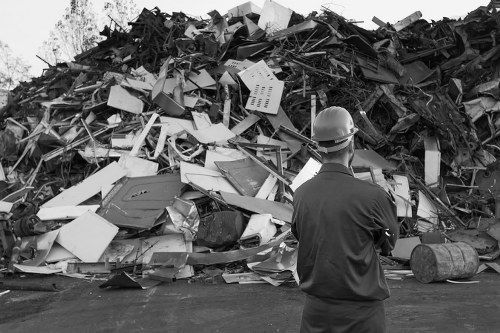
Commercial waste removal in Blackwall should give businesses a clear, dependable way to clear unwanted material without disrupting the working day. We handle recurring and one-off collections for a range of commercial premises, helping keep storage areas, yards and back-of-house spaces organised. The service is built around practical segregation, careful loading and responsible disposal, with the aim of making waste handling easier to plan and easier to manage.
We can support workplaces that need business waste removal for everyday mixed rubbish, packaging, office contents, furniture, small fixtures and other non-hazardous items. Where collections involve different waste types, the work is planned so suitable materials can be separated before they leave the site. That can be useful for businesses that want a tidy handover, reduced clutter and a straightforward route to quotation-ready clearance without overcomplicating the process.
If you need commercial waste removed in Blackwall, send a brief outline of what needs clearing and we can discuss the next step. For a quicker start, use the main service page to review the core options before you ask for a quotation.
Business waste collections for everyday premises
Business waste removal is often needed when premises produce more than the usual household-style rubbish. Offices, small studios, retail back rooms and shared workspaces can generate bags of general waste, cardboard, shelving offcuts, old displays and worn furnishings that build up over time. Our commercial collections are intended to help clear those items in a way that fits the site rather than forcing the business to stop work around a full skip or a long closure.
For many customers, the key decision is how much can be grouped together and whether the load needs to be split by type. A mixed collection is often suitable for standard commercial rubbish, while some items may call for separate handling because they are bulky, delicate or made from materials that need particular disposal arrangements. If you are unsure where a set of items fits, the safest approach is to describe them plainly, then let the collection be planned from there.
Office waste, furnishings and clear-out work

Office waste removal can include desks, chairs, filing units, screens, pedestals, reception furniture and general contents that no longer serve the workspace. This kind of work usually needs careful route planning through shared corridors, lifts or loading points, especially where the building is still occupied. We focus on removing the unwanted items without creating avoidable disturbance, and on leaving the space ready for the next stage of use.
When an office is being reconfigured, the waste stream can also include mixed loose materials such as cardboard, redundant equipment boxes, broken accessories and day-to-day rubbish left behind during a move. In those situations, it helps to identify what should be kept separate from what can go. Clear instructions and simple item lists are often enough to shape a suitable collection, while photographs can be useful where the contents are awkward, heavy or spread across several rooms.
Office clear-outs work best when access details are known in advance, particularly if there are loading restrictions, timed entry points or shared building rules. If the collection needs to fit around trading hours, the plan should reflect that from the outset rather than being adjusted at the last minute. When you are ready, ask for a quotation and the scope can be matched to the actual items, not guesswork.
Furniture disposal and bulky item handling
Furniture disposal covers the removal of items that are too large or inconvenient to leave with ordinary waste. Businesses often need this after a refit, relocation, stockroom reorganisation or tenancy change, when surplus items accumulate quickly and no longer belong in the working area. We can take away single pieces or larger grouped loads, depending on what is available and how the site is set up.
Bulky furniture usually raises two practical questions: how it can be moved safely and whether it should be dismantled first. Some items are easier to carry intact, while others are more manageable when broken down into sections. That depends on the construction of the item, the access route and the condition of the surroundings. A measured approach is better than forcing a one-size-fits-all method, especially where the item may be awkward or heavy.
For furniture that is no longer needed but still structurally sound, separate disposal decisions may apply if it contains different materials or fittings. Items made with metal frames, upholstered sections or mixed components can affect how the load is arranged. If you are arranging removal for a premises refresh, you can also combine furniture with other general commercial waste so the collection is more efficient.
Builders’ waste and refurbishment clearance
Construction and refurbishment work often leaves behind waste that is heavier, dustier and more uneven than ordinary office rubbish. Builders’ waste clearance may include offcuts, packaging, broken boards, old fixtures, protective materials and mixed debris created during strip-out work. The challenge is usually not only volume but also the variety of items, because the collection has to account for safe handling and sensible sorting.
Where a project is still under way, it can help to separate general refuse from heavier renovation waste as it accumulates. That keeps walkways more usable and reduces the chance that useful materials get buried under mixed debris. Good site housekeeping can also make it easier to identify what should leave immediately and what is due to stay for the next phase of work. A clear description of the refurbishment stage helps shape the waste plan.
How commercial waste collections are planned

Planning a commercial waste collection starts with the type of material, then moves to access, lifting and disposal route. A small load from an office can be straightforward, while a mixed clear-out from several rooms may need more detailed preparation. We look at what the job contains, how it can be moved, and whether any items need to be set aside for separate handling before the collection begins.
A useful way to prepare is to think in categories rather than loose assumptions. The simplest briefing usually covers volume, item type, floor level, access constraints and any time limits. If you can, keep the collection area reachable and note anything that might affect carrying routes, such as narrow stairwells, loading bays, reception controls or shared entrances. That avoids confusion and supports a smoother quotation.
For many businesses, the main value lies in receiving a collection that matches the work on site rather than a generic option. That is why we encourage a direct description of the items, their location and any special handling concerns. Once those details are clear, the removal can be arranged around the job itself instead of around assumptions.
Supported waste types and common commercial loads
Not every commercial clear-out produces the same kind of waste, and the handling needs can change from one premises to the next. A load may contain ordinary business rubbish, furniture, office contents, packaging, shelving pieces or mixed non-hazardous material. Each of those categories can influence how the waste is lifted, sorted and prepared for disposal, so it is worth identifying them early rather than describing everything as a general pile.
In practice, the most common decision is whether items can travel together or should be separated first. That can matter when a business is clearing a storeroom, changing layout or removing old fittings alongside day-to-day refuse. The goal is not to overcomplicate the process, but to make sure the collection is sensible for the contents in front of us. Where suitable, the work can be grouped into a single organised removal rather than split across multiple visits.
Typical commercial loads may include:
- office chairs, desks and storage units
- general business rubbish and bagged waste
- cardboard, packaging and mixed soft materials
- light fixtures, shelving and display items
- non-hazardous bulky objects from stock or back rooms
About Blackwall
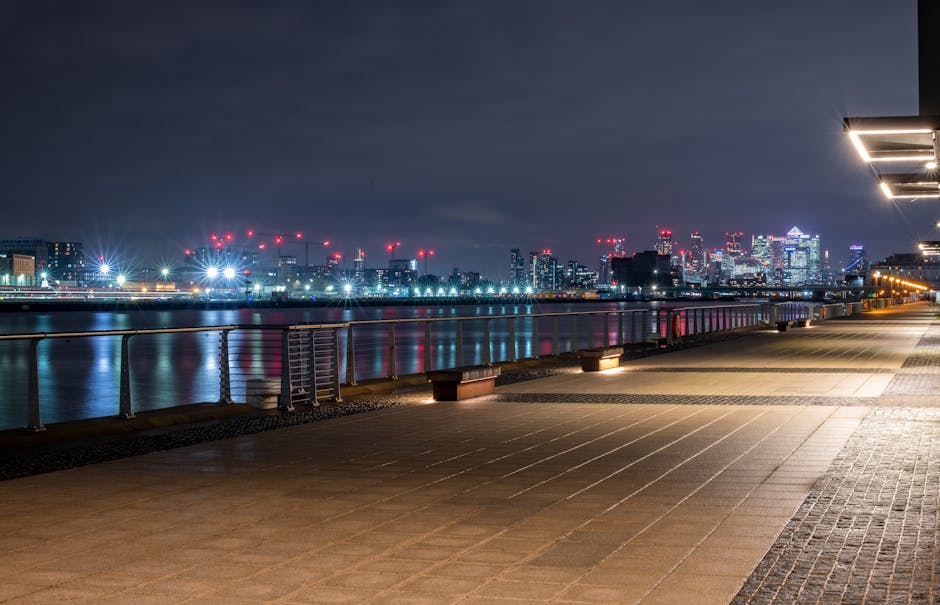
Blackwall is a riverside district in the London Borough of Tower Hamlets, positioned on the north bank of the Thames and closely associated with the Isle of Dogs and the eastern Docklands area. The name has long been linked to the old Blackwall Point and the historic riverside settlements that developed around the river frontage. The area’s identity is shaped by its maritime past, later industrial use and the modern regeneration that brought apartments, business premises and transport links to parts of the district. One of the best-known historic references is the Blackwall Tunnel, first opened in the late nineteenth century and later expanded, which became an important crossing beneath the Thames. The nearby riverfront has also been transformed over time by changes in dock activity, warehousing and redevelopment. Today the district sits between older riverside traces and newer residential and commercial buildings, with views across the water to Greenwich on the opposite bank. Local movement is influenced by the Docklands Light Railway and nearby road corridors, while the wider area remains tied to the geography of the river, former docks and the layered history of London’s eastern edge. The result is a place where industrial memory, transport infrastructure and contemporary urban living sit close together.
Recycling, sorting and disposal standards
Commercial waste removal should do more than simply take items away. The way a load is sorted can affect what happens next, including whether usable material is separated from general refuse and whether heavier or mixed items are managed in the most suitable way. Where possible, we aim to keep disposal organised so the collection reflects the contents of the job rather than mixing everything into one undifferentiated pile.
That approach matters because commercial premises often generate waste with different materials in close proximity. Cardboard, metal fixtures, furniture parts and general rubbish may all be found in the same area, but they are not always best handled in the same way. A careful removal plan considers what can be separated, what can move together and what needs particular attention before loading. It is a practical process, not a theoretical one, and it works best when the site is described accurately.
Where you want a clear route from a cluttered workspace to a cleared one, the best first step is to identify the main categories of waste. Simple categorisation helps avoid unnecessary back-and-forth later on. If you have a mixture of items, a single clear brief is usually enough to move from enquiry to quotation without delay.
Practical choices for offices, shops and managed premises
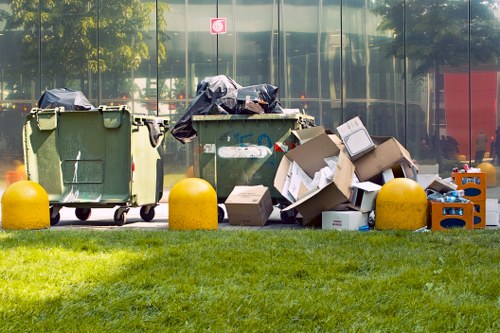
Different commercial settings need slightly different approaches. Offices often need care around desks, computer furniture and shared access routes. Shops may need help removing display units, stockroom waste or old fittings without disrupting neighbouring businesses. Managed premises can need collections that fit building rules, loading restrictions or agreed time slots. The right approach depends on how the site is used, not just on the amount of waste present.
When arranging a removal, it helps to think about the final state you want. Some customers want a full clear-out of a room or area, while others need only selected items taken away so operations can continue. In either case, a precise description is better than a broad one. If the job includes several different waste streams, tell us which matters most and which items are to remain on site so the collection can be planned accordingly.
If you are ready to move ahead with commercial waste removal in Blackwall, ask for a quotation now and use the contact route that suits you best. For a straightforward start, send the item types, access details and preferred timing so the next step can be arranged clearly and without delay.