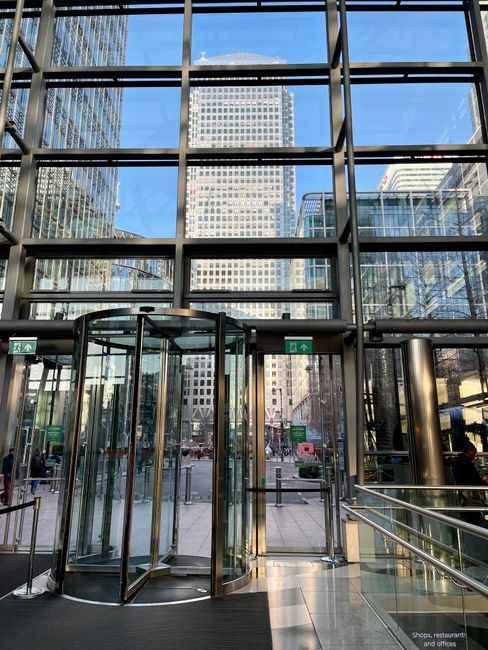
Canary Wharf office rubbish clearance for businesses in Blackwall
If you run a business in Blackwall, you probably already know how quickly office clutter can creep up. One minute it is a few broken chairs and a stack of old files; the next, the meeting room feels cramped, the corridor looks tired, and nobody can quite remember who is meant to deal with the lot. Canary Wharf office rubbish clearance for businesses in Blackwall is the practical answer when you need waste gone quickly, safely, and without turning a normal working day into a small disaster.
This guide walks through what office rubbish clearance involves, how it works in a busy Canary Wharf and Blackwall setting, what good service looks like, and the common mistakes that cost businesses time or money. If you are weighing up a one-off clearance, a desk refresh, or a more regular waste solution, you will find the useful stuff here. No fluff. Just the bits that help you make a sensible decision.
Table of Contents
- Why Canary Wharf office rubbish clearance for businesses in Blackwall Matters
- How Canary Wharf office rubbish clearance for businesses in Blackwall Works
- Key Benefits and Practical Advantages
- Who This Is For and When It Makes Sense
- Step-by-Step Guidance
- Expert Tips for Better Results
- Common Mistakes to Avoid
- Tools, Resources and Recommendations
- Law, Compliance, Standards, or Best Practice
- Options, Methods, or Comparison Table
- Case Study or Real-World Example
- Practical Checklist
- Conclusion
- Frequently Asked Questions
Why Canary Wharf office rubbish clearance for businesses in Blackwall Matters
Office rubbish is not just an aesthetic issue. In Blackwall and the wider Canary Wharf area, space is expensive, access can be tight, and downtime feels more painful than it does in a roomy industrial estate. A pile of redundant desks, packaging, archive boxes, or broken IT kit can eat into floor space surprisingly fast. And let's face it, nobody wants clients stepping through an awkward corridor of old monitor stands and tangled cables.
There is also a reputational angle. A tidy office suggests a business that pays attention. A messy one suggests the opposite, even if the team is doing excellent work behind the scenes. That sounds harsh, but people do notice. They always do.
Then there is the operational side. Clearance is often needed after a refit, a team restructure, a lease end, a merger, or simply years of "we'll deal with that later." In a place like Canary Wharf, where offices often move at a brisker pace than in other parts of London, a reliable clearance plan helps you stay nimble. You keep the workspace usable, reduce hazards, and avoid the slow build-up that turns into a bigger, more expensive problem later.
For businesses handling confidential paperwork, there is another layer: rubbish is not always just rubbish. Old files, draft contracts, customer records, and hard drives need more care than a basic bin run. A smart clearance service understands the difference and handles each stream appropriately. That matters more than most people think.
Practical takeaway: office rubbish clearance is really about keeping your business functional, presentable, and safe while avoiding unnecessary disruption.
How Canary Wharf office rubbish clearance for businesses in Blackwall Works
Most office clearances follow a fairly simple pattern, though the details vary depending on building access, the amount of waste, and whether you need special handling for items like electronics or confidential materials.
It usually starts with a quick assessment. Sometimes that is a site visit; sometimes it is done from photos or a detailed description. A good provider will want to know what needs removing, where it is located, whether lifts or loading bays are available, and whether there are any restrictions on timing. In office buildings around Canary Wharf, access windows can be important, so planning matters.
Next comes sorting. You may have mixed office waste: cardboard, paper, broken furniture, monitors, cables, old stationery, packaging foam, and maybe a few mystery items that appeared in the corner cupboard sometime in 2019. A professional team should separate recyclable material where possible and identify anything that needs special disposal.
On collection day, the team removes the waste, loads it safely, and clears the area down so the space is usable again. In a smaller office, this might take little more than an hour or two. In a larger commercial suite, it can take longer, especially if furniture has to be dismantled or moved through shared corridors. A bit of friction is normal. The goal is controlled, tidy removal, not a hurried rush that leaves scuffed walls and unhappy building management.
Afterwards, businesses should expect documentation or confirmation of what was taken and how it was handled, especially for regulated or sensitive items. That can be useful for internal records, landlord discussions, or just peace of mind.
If your office clearance is part of a wider business waste routine, you may want to combine it with ongoing waste removal rather than treating every cleanout as a separate event. A broader service like business waste removal can help when office rubbish is not a one-off issue.
Key Benefits and Practical Advantages
Office clearance sounds straightforward, but the benefits go beyond "the rubbish is gone." In real business terms, the gains can be pretty noticeable.
- More usable space: empty floor area can be turned back into workstations, storage, or meeting space.
- Safer working conditions: fewer trip hazards, fewer blockages, and less risk from unstable furniture or overloaded corners.
- Better impression: clients, landlords, and staff all tend to respond well to a clean, organised office.
- Less disruption: a planned clearance is easier than staff trying to chip away at it between meetings and emails.
- Improved recycling outcomes: decent clearances separate recoverable materials instead of tipping everything together.
- Reduced stress: honestly, there is something quietly satisfying about reclaiming a space that had started to feel stuck.
There is also a practical business case. When rubbish accumulates, people work around it. They stop using certain corners, postpone small repairs, and let awkward items sit because nobody wants to make a decision. That "temporary" pile becomes part of the office landscape. Once cleared, you often see the room differently. A narrow walkway suddenly feels wider. A storage cupboard becomes usable again. Small win, yes, but a real one.
If furniture is part of the job, it can be worth looking at a broader clearance route that includes seating and desks rather than hiring separate help. Services such as furniture clearance or furniture disposal may be relevant when the office is shedding old desks, chairs, cabinets, or reception items.
Who This Is For and When It Makes Sense
Not every business needs the same level of clearance support. Some offices only need a spring clean. Others need a full strip-out after a move or redesign. The trick is knowing which situation you are in before the mess grows teeth.
This kind of clearance makes sense for:
- small and medium offices in Blackwall with limited storage
- Canary Wharf firms upgrading furniture or hot-desking layouts
- co-working spaces that need periodic removal of abandoned items
- professional practices clearing archive materials or old equipment
- landlords and managing agents preparing a unit for new occupants
- businesses finishing a lease and needing the space handed back tidy
- teams dealing with legacy clutter after a restructure or relocation
It is also a good fit when you have a mix of ordinary rubbish and items that need special handling. For example, office fridges, broken monitors, or damaged chairs are not the kind of thing you want staff trying to sort with a standard bin bag and a hopeful expression. A commercial clearance team can deal with bulky or awkward items without improvising.
Sometimes the need is urgent. Maybe a landlord inspection is due, maybe you have a refurbishment team coming in, or maybe the office has simply reached that "enough is enough" stage. If speed matters, a service with local coverage can help avoid long delays. For very quick jobs, some businesses also look at same-day options through local waste specialists, such as the guidance in same-day rubbish removal near Canary Wharf.
Step-by-Step Guidance
Here is the cleanest way to approach office rubbish clearance without turning it into a headache.
- Walk the space first. Make a room-by-room list. Include cupboards, basements, storage areas, and odd corners where things accumulate.
- Separate what stays and what goes. This sounds obvious, but in practice it saves arguments later. Mark anything uncertain.
- Identify special items. Flag electronics, confidential documents, liquids, bulky furniture, or anything that may need special handling.
- Check access. Think about lifts, loading bays, delivery restrictions, building permits, and time windows.
- Decide how much help you need. A small load of unwanted office junk is very different from a full premises clearout.
- Ask for a clear quote. A good quote should explain what is included, what might change the price, and whether labour, disposal, or access issues affect the job.
- Book the collection. Pick a time that minimises disruption. Early morning can work well for many offices, though not always.
- Prepare the items. Bundle paperwork, disconnect electronics safely, and keep pathways clear where possible.
- Supervise the handover. Even a small presence on site helps if questions come up.
- Review the clearance afterwards. Check that the right items were removed and that the space is left in usable condition.
A simple example: a finance team in a Canary Wharf office decides to clear old filing cabinets, four desks, and a stack of damaged chairs before a layout change. If they sort the items beforehand, measure lift access, and book a timed collection, the job feels almost boring. That is good. Boring is efficient. Boring is what you want here.
For businesses with a lot of archive material, it can help to add confidential handling to the plan rather than treating papers as ordinary waste. The service page for confidential shredding is relevant where records need secure destruction rather than casual disposal.
Expert Tips for Better Results
Here are the small decisions that usually make the biggest difference. Nothing flashy. Just the bits seasoned teams tend to get right.
Book around building rhythms
In offices near Canary Wharf, timing can be everything. Avoid peak delivery periods if you can. A clear run at the lift or loading area saves a lot of shuffling and sighing. You know the sort of thing.
Decide early what counts as waste
Staff often assume "someone else will want that old chair" or "we might need these spare monitors later." Sometimes they do. Often they do not. Make decisions early so the clearance team can work efficiently.
Keep recyclable materials separate where possible
Cardboard, paper, metals, and some plastics are easier to deal with when they are not mixed with general rubbish. If you are clearing out moving boxes and packaging, it can help to isolate those items first. A practical page on recycling and sustainability may also be useful if your business wants a more responsible disposal approach.
Don't forget the awkward extras
It is always the odd things that slow a job down: a printer too heavy for one person, a fridge tucked behind a partition, a pile of cables knotted like fishing line. Mention them upfront. Nobody likes surprises at the lift lobby.
Protect floors and walls in shared buildings
If you work in a managed commercial property, the building rules may be stricter than your own office habits. Use trolleys carefully, protect corners, and make sure the route is clear. A small scuff can become a larger conversation with property management, and nobody wants that on a Tuesday morning.
Think about the next stage
Clearance works best when it supports a change. New desks, a cleaner layout, a quieter storage room, a more open reception area. If you know what the space is for next, it is easier to decide what to remove and what to keep.
Small but useful rule: if you are hesitating over an item, ask whether it actively helps the business now. If the answer is "not really," it is probably already living on borrowed time.
Common Mistakes to Avoid
Office clearances rarely go wrong because of one huge issue. More often, it is a collection of smaller missteps that pile up. Here are the ones worth avoiding.
- Leaving planning until the last minute: the quote gets rushed, access gets overlooked, and the team ends up improvising.
- Mixing confidential material with ordinary rubbish: paperwork and storage media need more care than broken stationery.
- Forgetting access restrictions: if the lift is booked or the loading bay is unavailable, the job can stall fast.
- Not checking what is included: some providers handle only certain item types, so confirm in advance.
- Assuming everything can go together: bulky furniture, electricals, and general waste may need different handling.
- Failing to brief staff: if employees do not know what is being cleared, they may accidentally keep or discard the wrong things.
- Choosing solely on price: the cheapest option can turn out expensive if the job takes longer than expected or if extras appear later.
There is also a softer mistake: treating office clutter as a "later problem" for too long. Most businesses do this at some point, and fair enough, work gets busy. But once the backlog becomes routine, the office starts to absorb it. Then it becomes normal. That is the trap.
Tools, Resources and Recommendations
You do not need much to prepare for an office clearance, but a few practical tools make the process smoother.
- Room-by-room inventory: a simple spreadsheet or shared document works fine.
- Label stickers or coloured tape: helpful for marking keep, remove, recycle, or shred.
- Basic measuring tape: useful when checking desks, cabinets, and lift dimensions.
- Phone photos: quick pictures help when getting a quote and reduce back-and-forth.
- Gloves and simple PPE: useful if staff are helping sort items before collection.
- Moving trolleys or dollies: worth having if heavy items need to be brought to one point before pickup.
On the service side, look for a provider that can explain how they handle mixed loads, heavy items, and recycling. If your project involves an office refit or removal of contractor waste too, you may find a page like builders waste clearance helpful, especially where offices are being refurbished and the waste stream becomes a little more complicated.
If you are still comparing methods, it can also help to read about the difference between business waste removal and one-off clearances. The distinction sounds minor, but it affects timing, pricing style, and what gets collected.
Law, Compliance, Standards, or Best Practice
Waste handling for businesses in the UK should be approached carefully. The exact legal duties can depend on the type of waste, how it is stored, and who is handling it. For office rubbish clearance, the safest approach is to use a provider that follows accepted commercial waste practices, separates recyclable material responsibly, and disposes of waste through proper channels.
If you are dealing with confidential material, the risk is obvious: you do not want records left unsecured or disposed of casually. Secure shredding and controlled destruction are sensible best practices. If you are dealing with electrical items, it is also sensible to confirm how they will be processed, rather than assuming everything goes into the same vehicle and disappears into the magic void. Convenient as that would be.
Businesses should also think about health and safety. Heavy lifting, sharp edges, loose cables, and blocked walkways can create avoidable problems. A professional team should work in a way that reduces risk to building occupants and protects common areas.
Good practice usually includes:
- clear identification of waste types before collection
- safe handling of bulky or heavy items
- separation of confidential paperwork from general waste
- careful movement through shared building areas
- attention to recycling and recovery where feasible
- communication about timing and access requirements
If you want to review related service standards on the provider side, pages such as health and safety policy, insurance and safety, and payment and security can help build confidence before you book.
Options, Methods, or Comparison Table
Office rubbish clearance is not one-size-fits-all. The best method depends on volume, urgency, building access, and the mix of waste you are dealing with. Here is a simple comparison to make the decision easier.
| Method | Best for | Pros | Watch out for |
|---|---|---|---|
| One-off office clearance | Decluttering, moves, end-of-lease jobs | Fast, simple, good for mixed items | Needs clear access planning and accurate quoting |
| Regular business waste removal | Ongoing office waste, steady volumes | Predictable, easier to manage long term | Less suitable for big furniture or one-time bulk items |
| Confidential shredding | Paper records, sensitive materials | Safer for data handling, cleaner compliance approach | Needs proper sorting beforehand |
| Furniture-specific clearance | Desks, chairs, cabinets, reception items | Better for bulky office fit-out changes | May need disassembly or more labour |
| Combined waste and refurbishment clearance | Office redecorations and fit-outs | Efficient for mixed contractor and office waste | Requires better planning and timing |
If the office is being emptied ahead of new furnishings, you might combine several approaches rather than choosing only one. That is often the smartest route. Not always the cheapest on paper, but usually the least stressful in real life.
Case Study or Real-World Example
Here is a realistic example drawn from the kind of situation many Blackwall businesses face.
A small professional services office near Canary Wharf had been using the same storage room for years. At first, it held spare paper, a couple of chairs, and some archived files. Then the room filled up with old printer boxes, a broken pedestal unit, three spare monitors, and a stack of redundant binders that nobody wanted to claim. The team knew it needed sorting, but because the room had a door, the problem stayed politely out of sight. Which is usually how these things grow.
When the business planned a workstation reconfiguration, the storage room had to be cleared quickly. Staff made a list, separated files for shredding, highlighted the electrical items, and measured the route to the lift. The clearance itself was straightforward because the prep had been done properly. The room was emptied in one visit, and the team ended up with space for supplies and a cleaner layout for the new desks.
What made the difference was not just the removal. It was the planning. Once the clutter was visible and categorised, decisions got easier. The office felt calmer the same afternoon, and people stopped propping things against the wall "just for now."
That last bit matters more than it sounds. An empty room invites a better habit.
Practical Checklist
Use this checklist before you book or arrange the clearance:
- Walk through the office and note every item to remove
- Separate rubbish, furniture, electricals, and confidential materials
- Confirm building access, lift use, and any loading restrictions
- Measure bulky items and doorways if space is tight
- Decide whether you need shredding for documents
- Ask for a written quote with clear inclusions
- Check whether recycling is part of the service
- Choose a collection time that causes minimal disruption
- Brief staff so nothing important is thrown away by mistake
- Inspect the area after clearance and make sure it is left tidy
Quick note: if you are dealing with a bigger office move, start this checklist earlier than you think you need to. Time has a funny way of vanishing once calendars fill up.
Conclusion
Canary Wharf office rubbish clearance for businesses in Blackwall is not just about getting rid of junk. It is about restoring usable space, reducing risk, supporting a better first impression, and keeping a busy office running properly. When the job is planned well, it becomes one of those quietly satisfying tasks that pays off immediately. The office looks better, feels easier to work in, and stops tripping over itself.
If you are at the stage where the clutter is starting to affect daily work, do not wait for the "perfect" time. There is rarely a perfect time. There is only a practical one. Start with a clear inventory, separate the tricky items, and choose a service that understands commercial spaces in and around Blackwall. A bit of order now saves a lot of friction later, and that is usually worth doing.
Get a free quote today and see how much you can save.
And if all that gets one forgotten storage room back into working shape, well, that is a decent day's work.
Frequently Asked Questions
What does office rubbish clearance usually include?
It usually includes the removal of general office waste, bulky items such as desks and chairs, packaging, and sometimes electrical items or confidential materials if arranged in advance. The exact scope depends on the provider and your building access.
How quickly can office rubbish be cleared in Blackwall?
That depends on volume, access, and timing, but many clearances can be arranged fairly quickly if the waste is well described. If you need urgency, mention it early so the provider can plan around lift access, loading bays, and staff disruption.
Do I need to sort the rubbish before collection?
Some sorting helps a lot, especially if you have confidential documents, electronics, and furniture mixed together. You do not usually need to make everything perfect, but separating the obvious categories makes the clearance smoother and can reduce avoidable delays.
Can old office furniture be removed too?
Yes, in most cases. Office furniture clearance is commonly included or arranged alongside rubbish removal. Desks, chairs, cabinets, and reception items are all typical examples, although heavy or dismantled items may need extra planning.
What happens to confidential papers?
Confidential papers should be handled separately and securely. If your office has records, customer information, or sensitive business files, ask for a secure shredding option rather than mixing them into ordinary waste. That is just safer, plain and simple.
Is office rubbish clearance the same as regular business waste removal?
Not quite. Regular business waste removal is better for ongoing waste generated week to week, while office rubbish clearance is usually a one-off or occasional service for bulkier items, cleanouts, moves, or end-of-lease work.
How do I get a fair quote?
Give as much detail as you can: item types, rough volumes, access conditions, lift availability, and whether anything needs special handling. Photos help. A clear quote is easier to trust than a vague one with lots of "subject to" language tucked away in the fine print.
Can clearance work be done outside office hours?
Often, yes. Early morning, evening, or quieter periods may be possible depending on the provider and building rules. Outside-hours work can be especially useful in shared buildings where daytime disruption would be a pain.
What if my office is in a managed building with strict access rules?
Then planning matters even more. Tell the provider about loading restrictions, security checks, permit requirements, and any booking rules. In managed Canary Wharf buildings, a smooth clearance often comes down to paperwork and timing, not just manpower.
Can recyclable office waste be separated during clearance?
Yes, and it should be where possible. Paper, cardboard, metals, and some plastics can often be separated to support recycling rather than going in with mixed rubbish. A provider with a sensible recycling approach will usually explain how they handle that.
What types of office waste need extra care?
Electrical items, confidential documents, toner cartridges, liquids, and anything sharp or heavy may need special handling. If you are unsure, ask before collection rather than assuming it will all be fine in one load.
What is the best time to arrange office clearance?
The best time is usually before a build-up becomes disruptive: before a move, before a refit, before an inspection, or as soon as storage starts overflowing. If the office is already feeling cramped, that is a pretty strong sign it is time.
Do I need to be on site during the clearance?
Not always, but it is often helpful for someone to be available, at least at the start. That way any questions about access, item categories, or forgotten pieces can be answered quickly without guesswork.
What should I check after the clearance is finished?
Check that the right items were removed, sensitive materials were handled properly, and the area has been left tidy and usable. A quick walk-through is worth it. Better to notice something then than later, when the team has already moved back in.